
Hello, everyone!
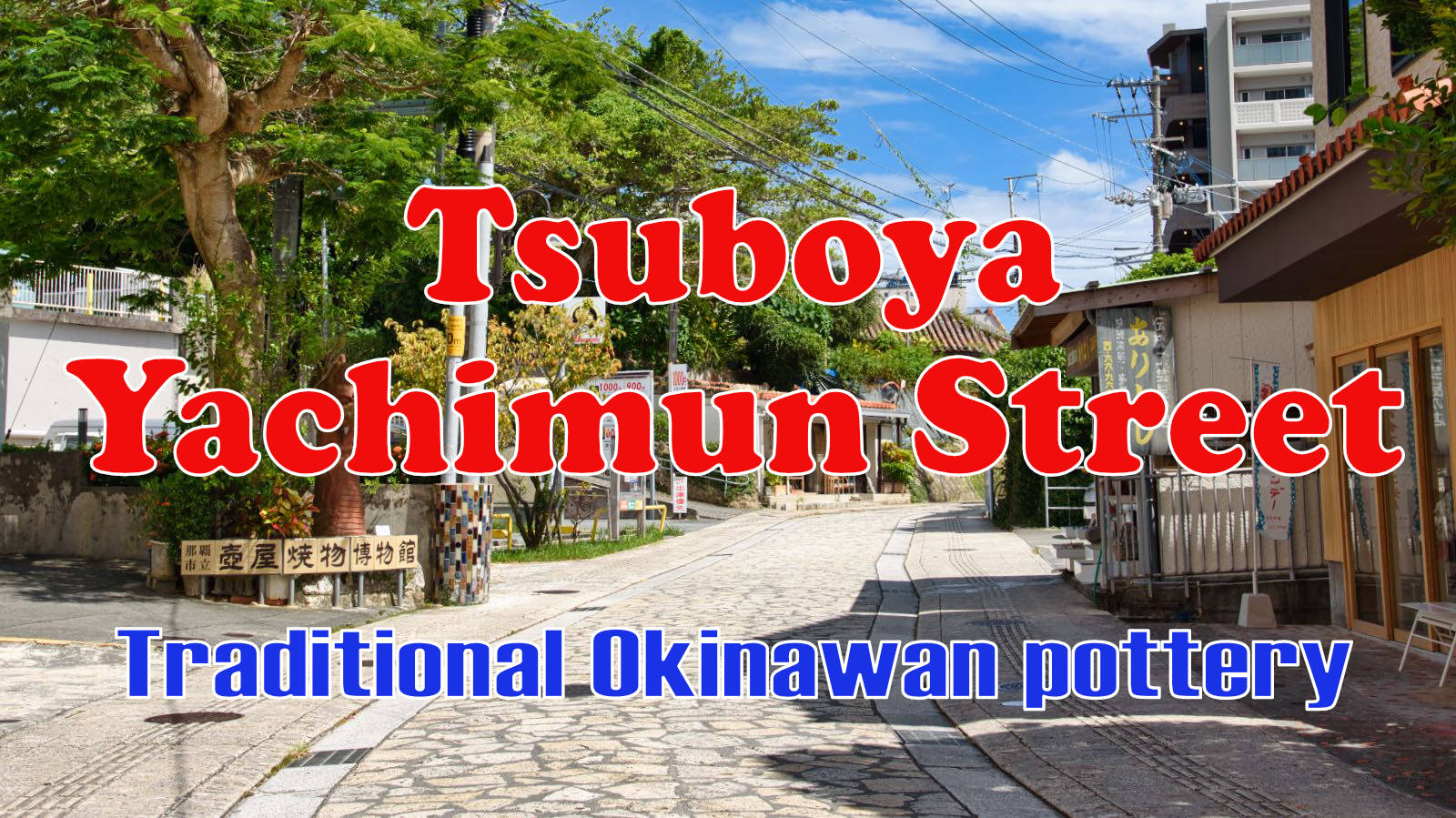
Today, I’d like to introduce you to Tsuboya Yachimun Street.
Located in Naha City, Tsuboya Yachimun Street is a popular destination where you can discover “Yachimun,” the traditional pottery of Okinawa.
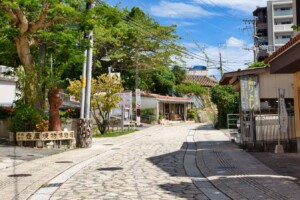
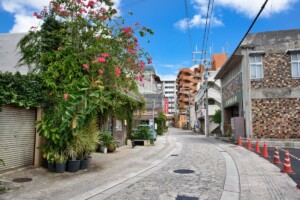
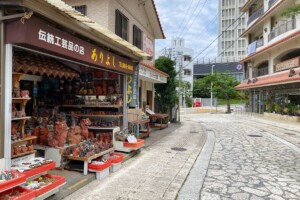
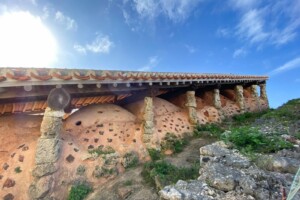
As you stroll down the charming cobblestone path lined with traditional houses and iconic red-tiled roofs, you’ll feel the nostalgic atmosphere of old Okinawa.
The street is home to numerous pottery workshops and boutiques, making it a must-visit area for ceramic lovers.
Whether you’re hunting for that perfect handcrafted piece or taking a relaxing break at a stylish cafe, there’s plenty to enjoy.
One of its biggest draws is the convenient location. It’s easily accessible from central Naha, making it perfect to pair with a visit to Kokusai Dori or the Makishi Public Market.
Now, let’s take a closer look!
Explore Okinawa with just a tap! Click here to see our sightseeing guide.

Tsuboya Yachimun Street: Features and Highlights
- What is Tsuboya Yachimun Street? A popular district preserving Okinawa’s pottery culture.
- Charming alleys at every turn! A must-visit for photography lovers.
- Explore the history and culture of pottery at the “Tsuboya Pottery Museum”.
- A hit with tourists! Finding the perfect “Tsuboya-yaki” souvenirs.
What is Tsuboya Yachimun Street? A popular district preserving Okinawa’s pottery culture.
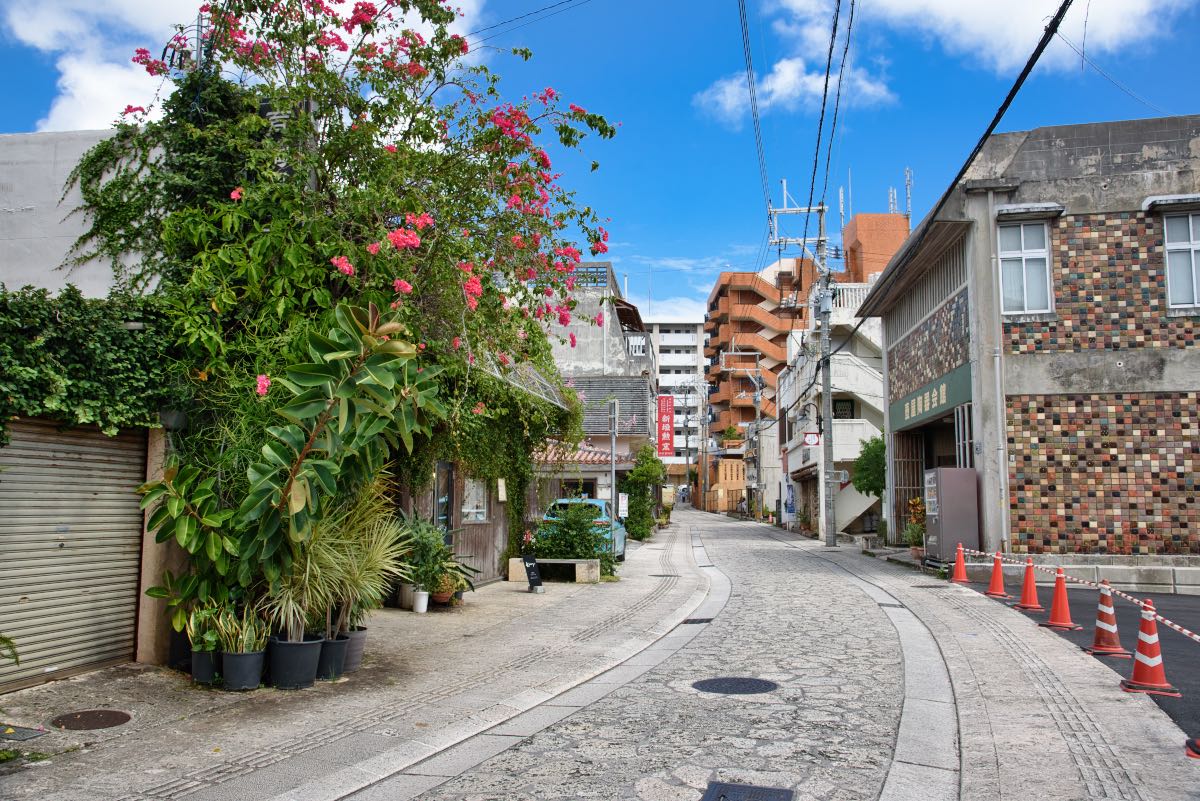
Tsuboya Yachimun Street, located in Naha City, is a scenic walking area that vividly preserves the essence of Okinawan pottery culture.
In the local dialect, “Yachimun” means pottery.
The history of this district dates back to the 17th century when the Ryukyu Kingdom gathered potters from various regions to Tsuboya, leading to its development as a renowned town of ceramics.
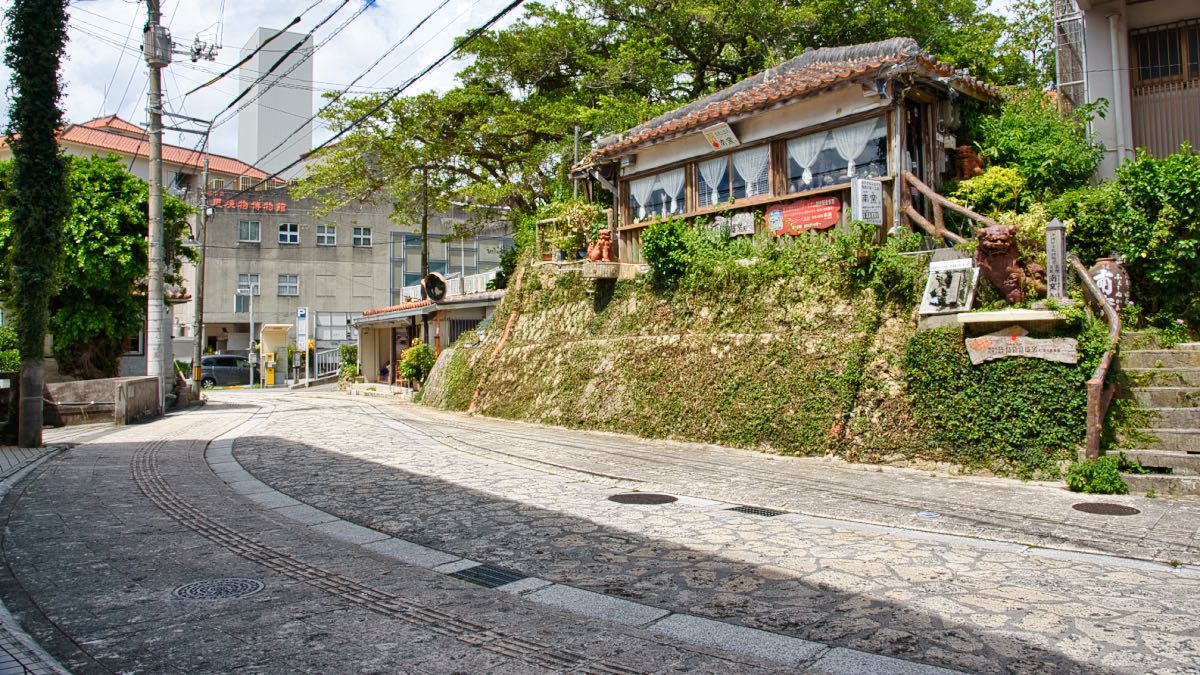
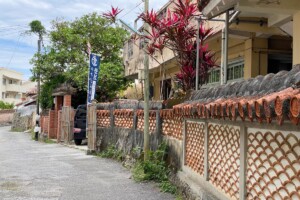
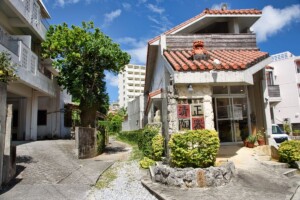
Even today, the area retains its nostalgic charm with traditional red-tiled houses and cobblestone paths.
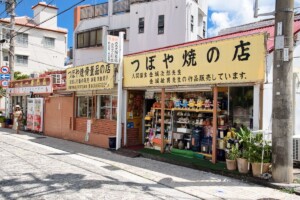
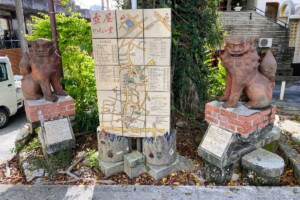
As you stroll along, you’ll find numerous workshops and boutiques offering a wide variety of items, ranging from everyday tableware to iconic Shisa (guardian lions).
Whether you are hunting for your favorite piece of Yachimun, exploring its rich history, or capturing the perfect photo, this area remains a favorite destination for travelers.
Charming alleys at every turn! A must-visit for photography lovers.
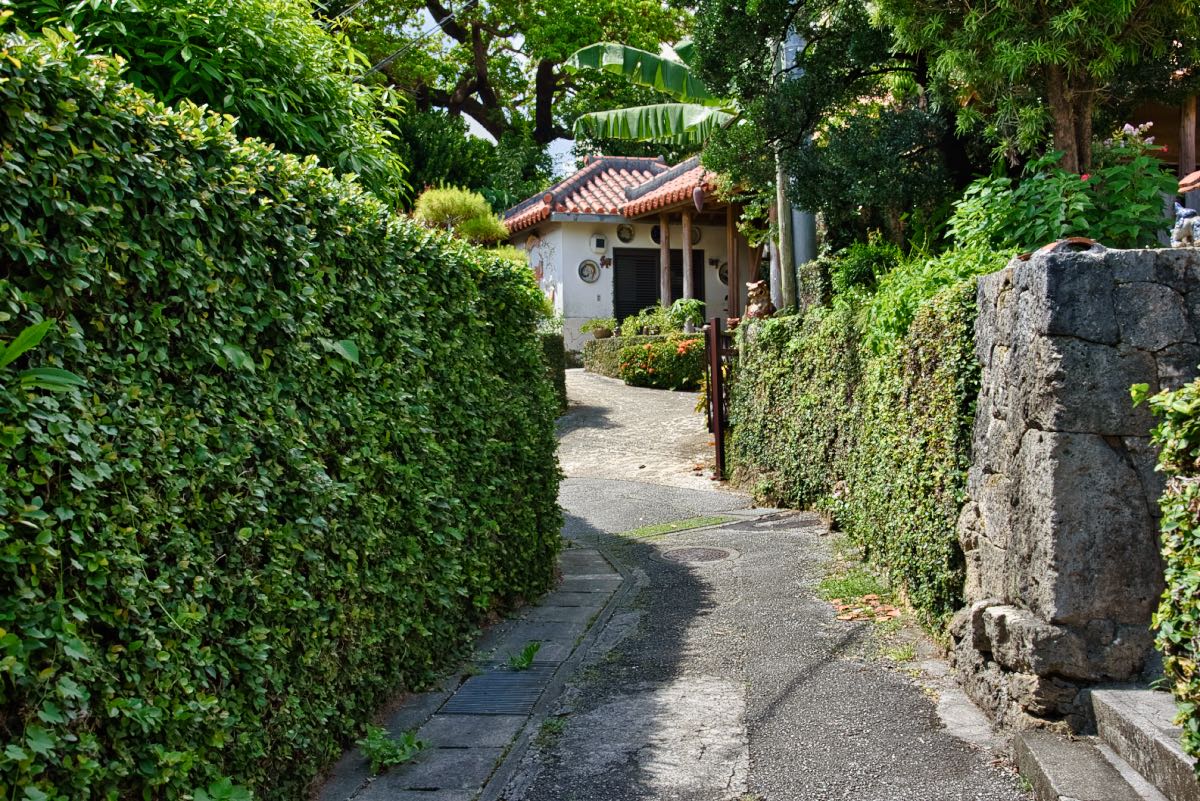
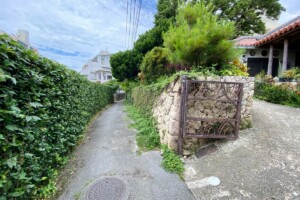
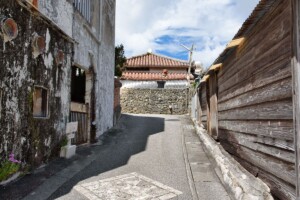
Stepping off the main street into the narrow side alleys reveals a world of hidden charms.
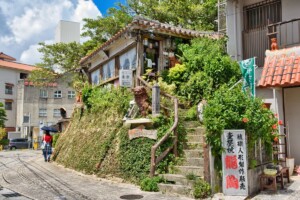
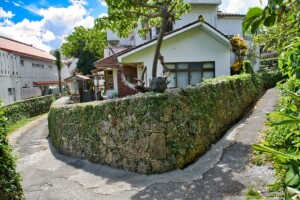
As you wander through these slender paths, enclosed by stone walls and traditional red-tiled houses, you’ll feel as though you’ve stepped back in time to old Okinawa.
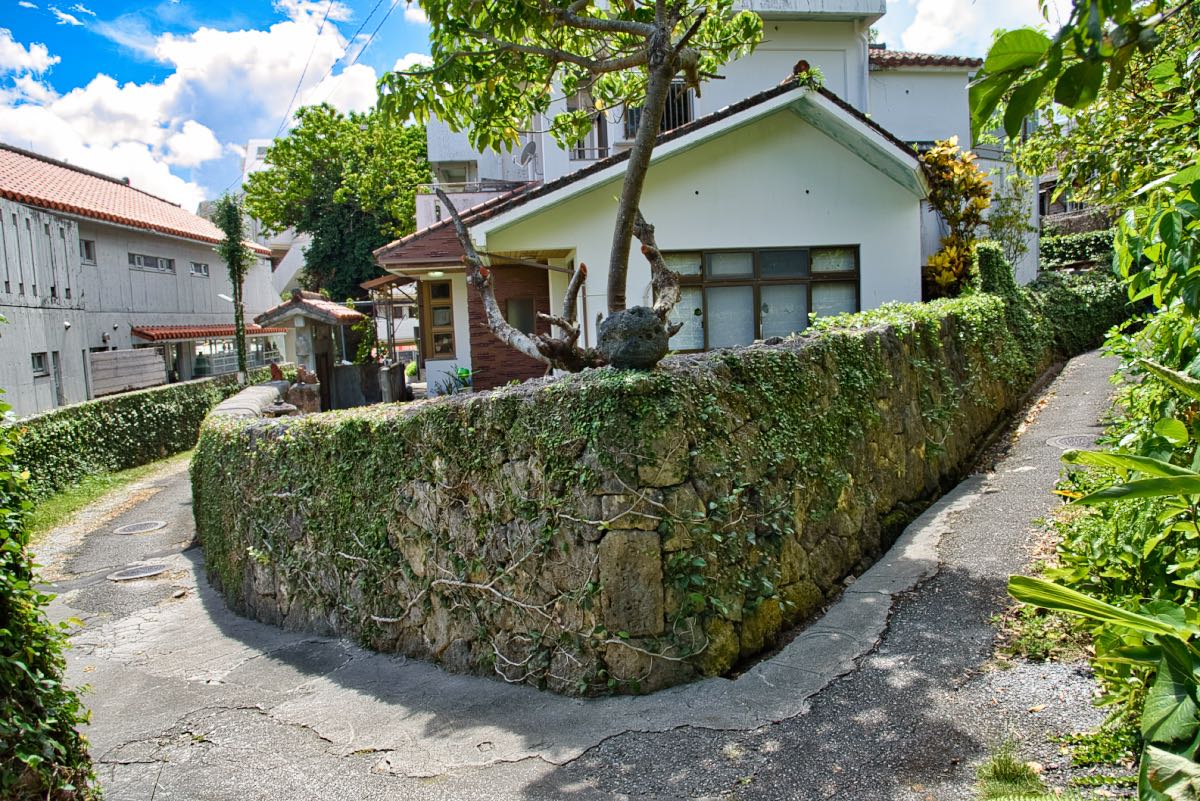
The winding cobblestone paths are incredibly picturesque, offering scenery that captures the soul of the island’s heritage.
You might even stumble upon quiet cafes or workshops tucked away inside renovated traditional homes—it’s these little discoveries that make the trip so special.
With countless Instagrammable spots around every corner, this area is a must-visit for photography enthusiasts and anyone looking for that perfect shot!
Explore the history and culture of pottery at the “Tsuboya Pottery Museum”.
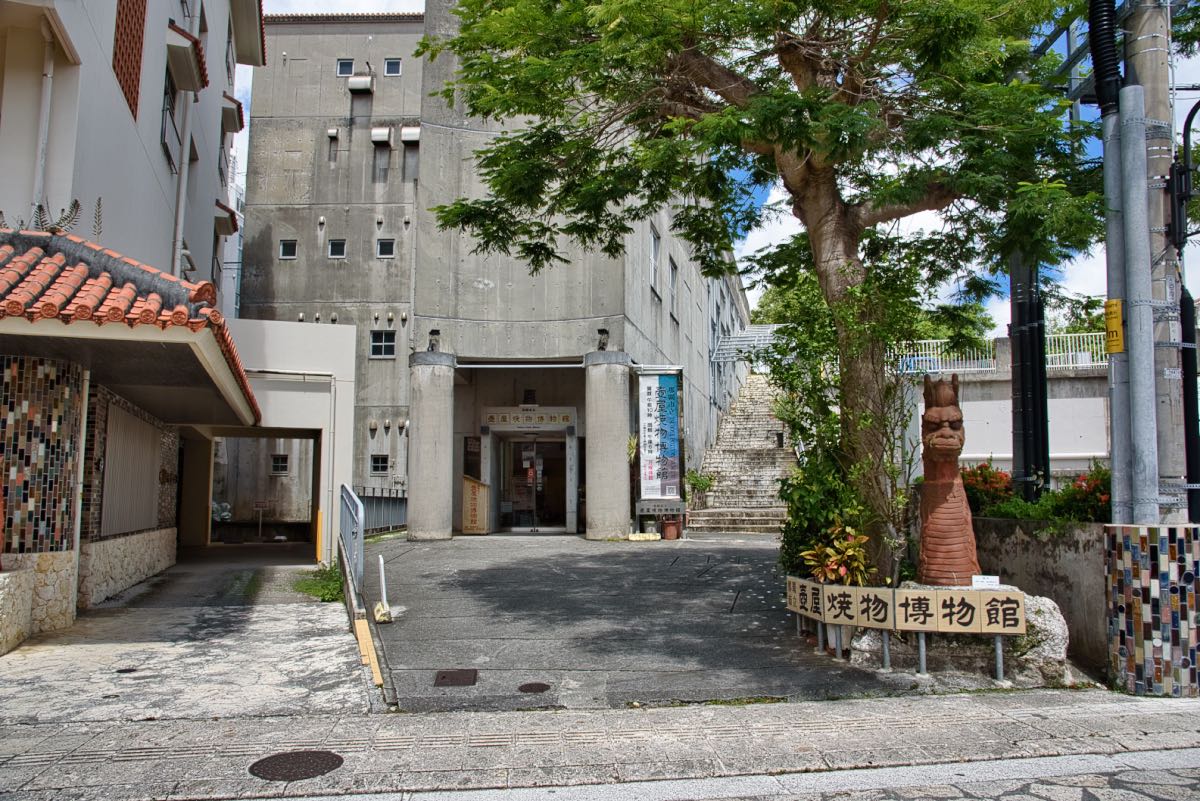
When visiting Yachimun Street, be sure to stop by the “Tsuboya Pottery Museum”.
Here, you can learn about the history and techniques of Okinawan ceramics, as well as the culture dating back to the Ryukyu Kingdom and its vibrant history of overseas trade.
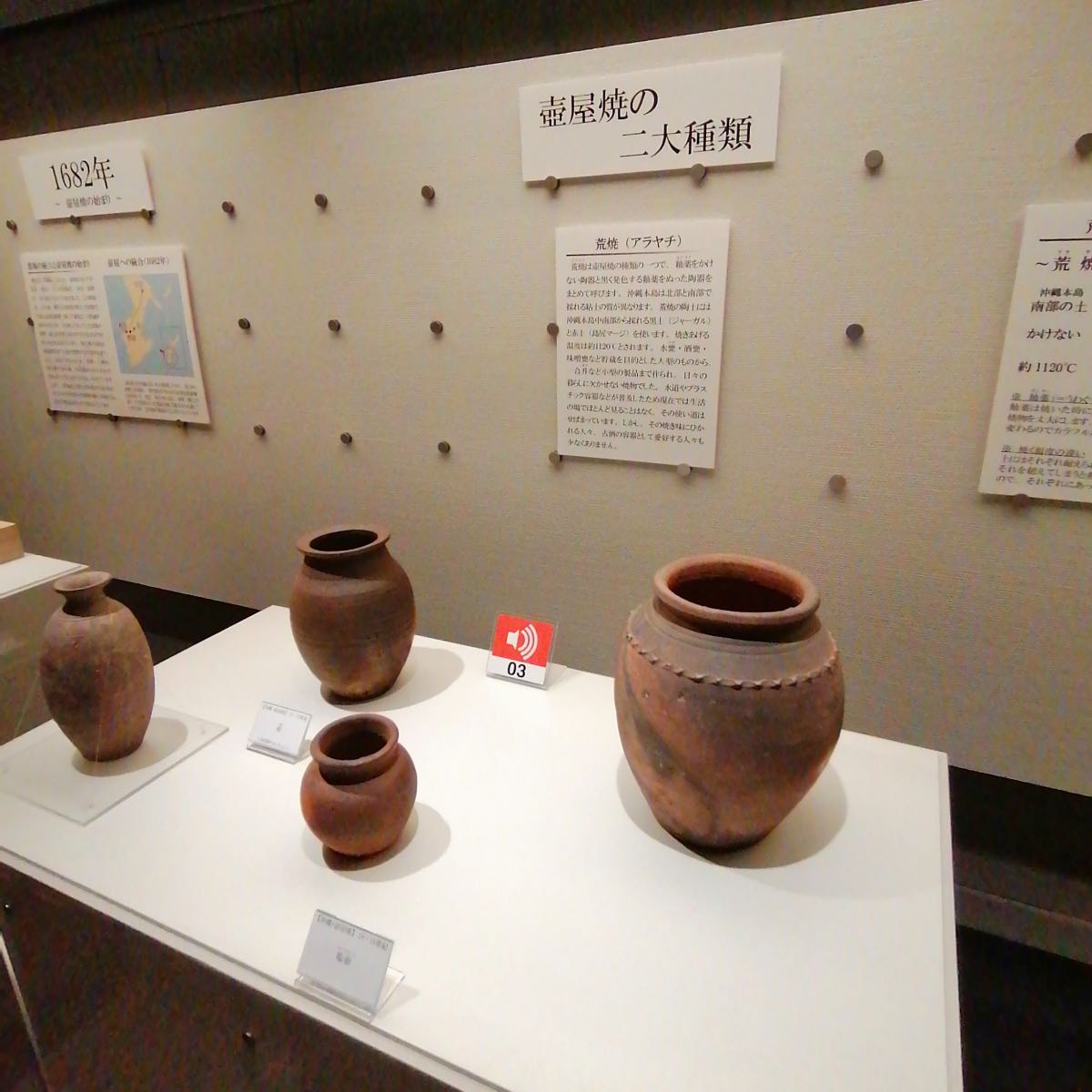
The museum showcases a wide range of exhibits, from precious antique pottery to everyday utensils used in the past, allowing you to truly appreciate the depth and heritage of Yachimun.
There are also interactive sections where you can learn through engaging video displays and detailed models.
A hit with tourists! Finding the perfect “Tsuboya-yaki” souvenirs.
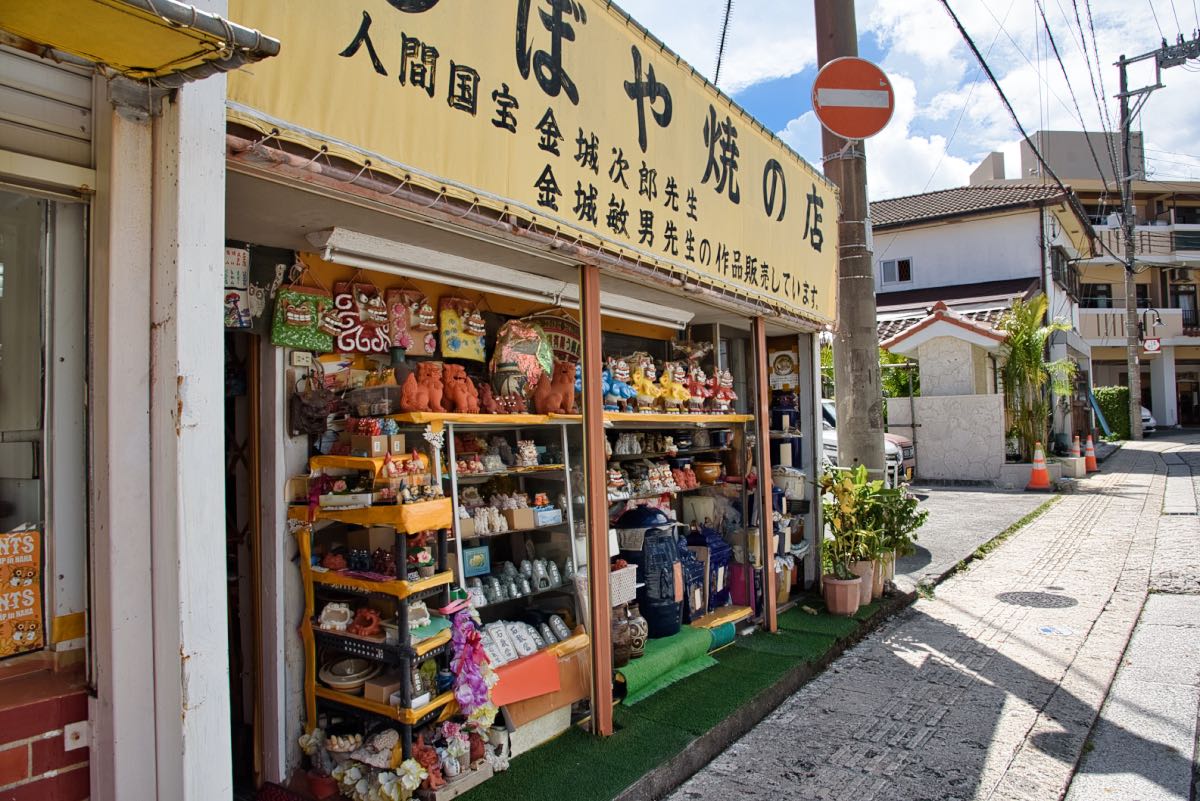
One of the highlights of visiting Yachimun Street is hunting for your favorite “Tsuboya-yaki” to take home.
Tsuboya-yaki is characterized by its rustic thickness, bold forms, and vibrant hand-painted patterns and colors.
The variety is extensive, ranging from practical everyday tableware to the beloved Shisa (guardian lions) that serve as protectors.
Since each piece is handcrafted by skilled artisans, the colors and shapes vary slightly, giving every item the unique charm of a one-of-a-kind find.
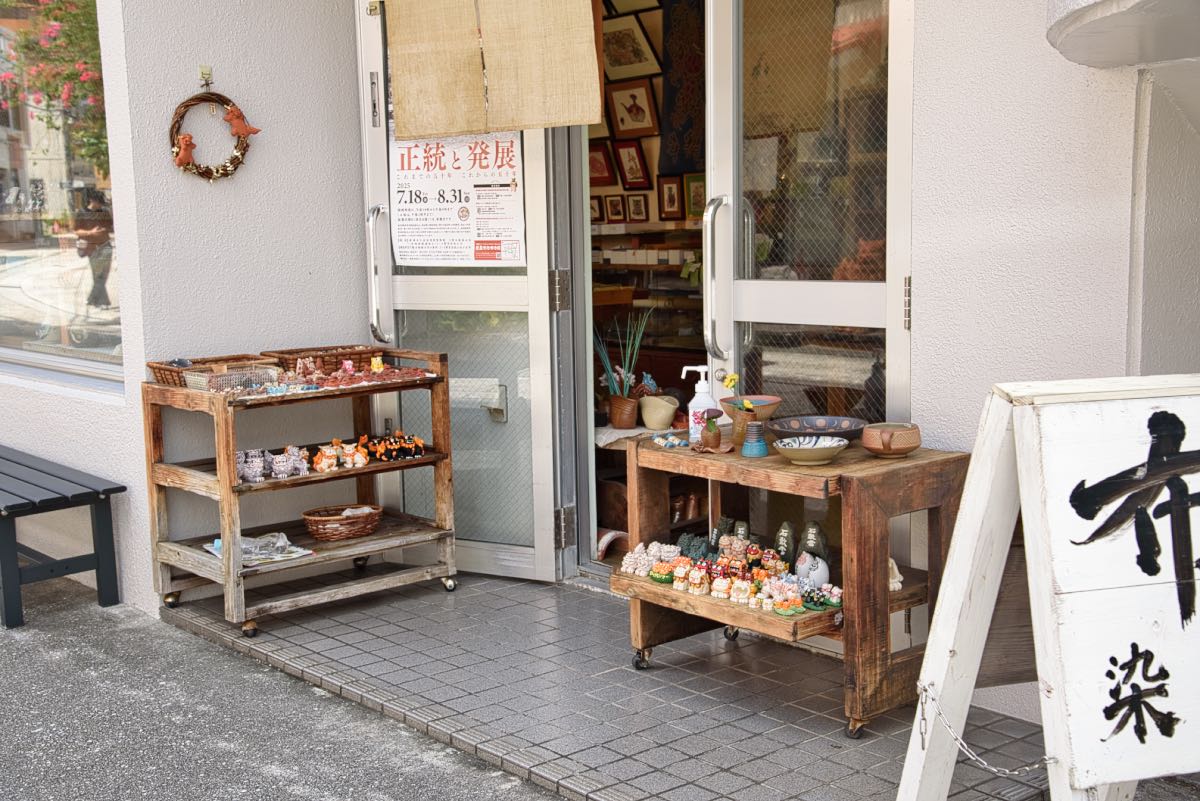
Practical, easy-to-carry items like mugs and small plates are especially popular among tourists.
For those looking for something more decorative, I also recommend Shisa figures or Dachibin (traditional portable sake carafes).
Finding that perfect piece of “Yachimun” is a wonderful way to bring a piece of Okinawa home with you, keeping those travel memories alive long after you return.
Tsuboya Yachimun Street: Basic Info, Fees, Parking, and Access
- Basic Information
- Fees & Estimated Time Needed
- How to Get There
- Parking
Basic Information
| Name | Tsuboya Yachimun Street |
| Photo |  |
| Address | 1-16 Tsuboya, Naha, Okinawa |
| Official Website | - |
| Tel | - |
| Hours | Hours: Open for exploration at your leisure |
| Closed | - |
| Fee | Free |
| Parking | None |
| Access | A 10-minute walk from Don Quijote on Kokusai Dori. Also about a 10-minute walk from Makishi Station or Asato Station. |
| Description | An area where you can discover traditional Okinawan pottery |
Fees & Estimated Time Needed
Admission: Tsuboya Yachimun Street is free to explore.
There is no entrance fee.
Estimated Time Needed
Quick visit: About 1 hour (for a brisk stroll through the main street).
Relaxed pace: At least 2 hours (if you plan to take photos, browse the shops, or enjoy a break at a cafe).
- Quick visit: about 1 hour
- Relaxed pace: about 2 hours
How to Get There





コメント